A municipality of opportunity
In 1975, Rio Maior was a small town. It has since become a modern city of around 21,000 inhabitants, 70 kilometres north of Lisbon. Its ten civil parishes cover 272.76 square kilometres. Known as the “City of Sport”, Rio Maior retains strong agricultural roots and makes an important contribution to farming, livestock and forestry.
1. Forestry
About 13,500 hectares of forest, mainly eucalyptus. More than 70% is managed, supporting fire prevention and timber certification.
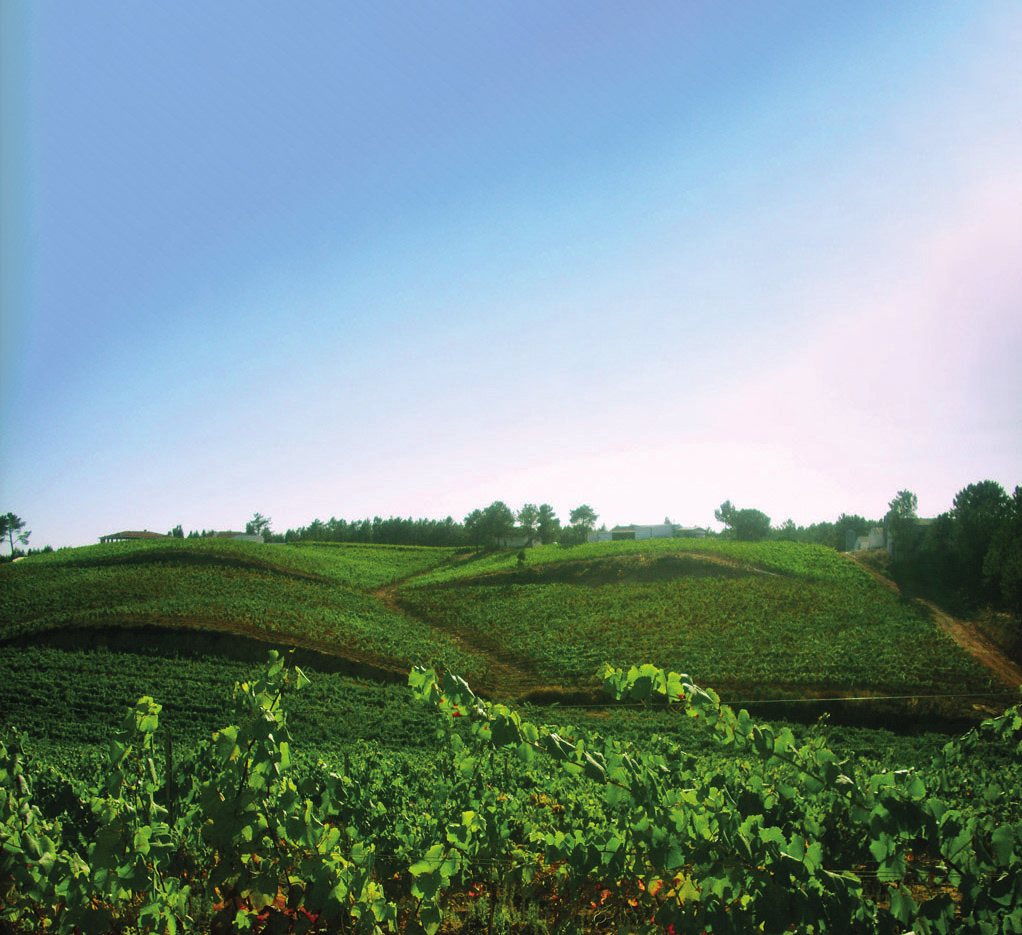
2. Vineyards
Between 250 and 300 hectares produce approximately 1.5–2 million litres of wine each year.
3. Olive oil
Six working mills process around 4,000 tonnes of olives each year, mainly the Galega variety.
4. Organic farming
Organic production began in Correias in 1994 with a pioneering 42 hectares led by Professor Virgílio Pestana.
5. Breadmaking
Costa & Ferreira owns Pão de Rio Maior, Portugal's first certified bread, and produced about 300,000 units daily in 2025.
6. Minerals
Pure silica, kaolinitic clays and ornamental limestone support a strong export industry.
7. Salt
Fonte da Bica is Portugal's only inland saltworks. Rio Maior salt and fleur de sel received EU Protected Designation of Origin status in 2025.
8. Livestock
The municipality has substantial pig, poultry, cattle, sheep and goat production, serving both Portuguese and export markets.
9. Horticulture
Industrial tomatoes are one of the municipality's signature crops and are processed at São João da Ribeira.